Premium












Travel Checklist: Essential Cards and Documents
Essential travel cards and documents for international trips from India ensure a smooth journey and help avoid unnecessary fees.
When planning an international trip from India, having the right cards and documents is critical for a hassle-free experience. Here’s what you need to know:
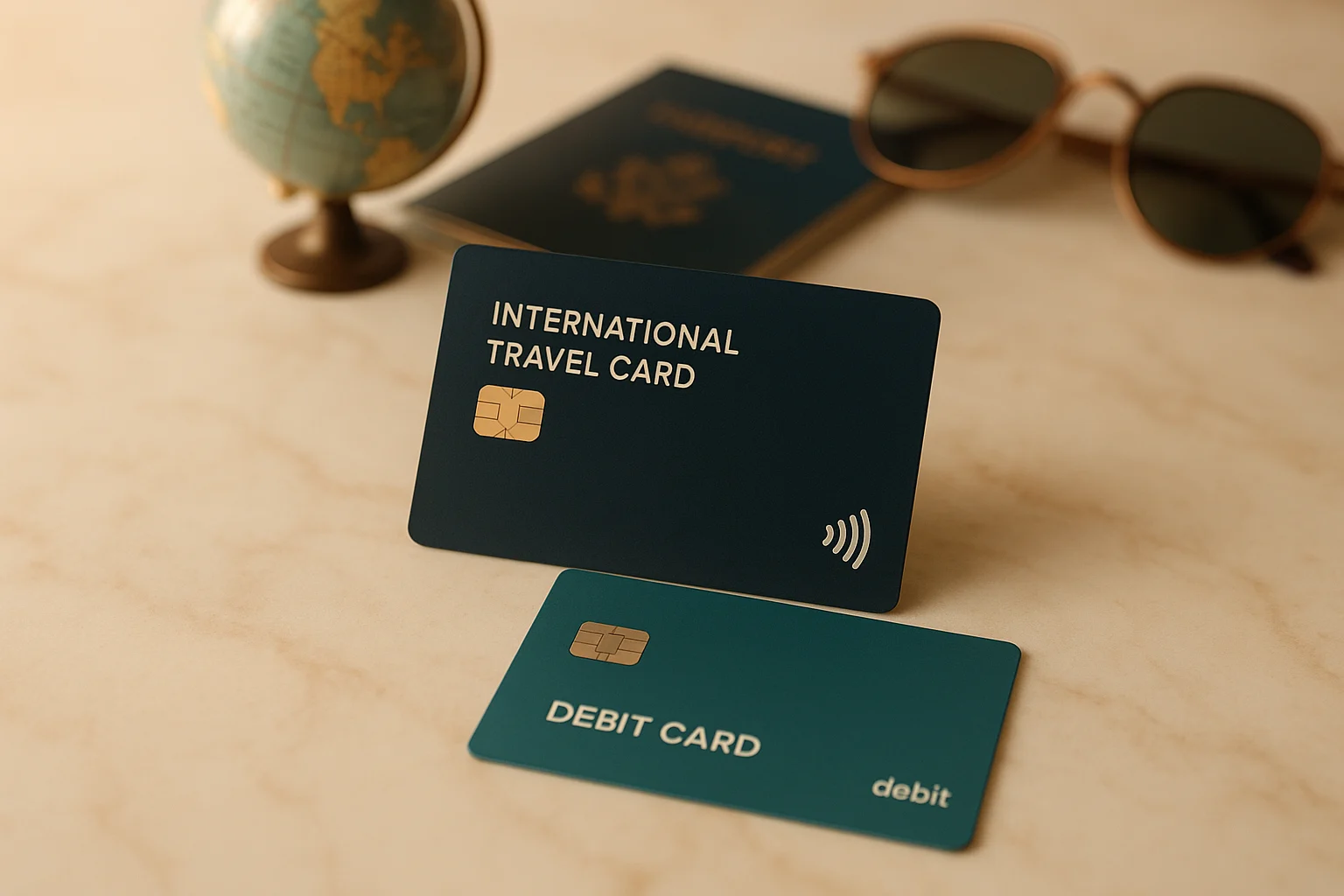
- Travel cards: Look for options with zero forex markup, multi-currency support, and robust security features like EMV chips and PIN protection. Always carry a backup credit or debit card with low foreign transaction fees.
- Travel documents: Ensure your passport is valid for at least six months beyond your travel date. Check visa requirements for your destination, and carry proof of onward travel and accommodation. Health certificates (like yellow fever or COVID-19 vaccination) may also be required based on your destination.
- Travel insurance: Covers medical emergencies, trip cancellations, and lost luggage. Choose a policy that aligns with your travel needs, and ensure it meets any destination-specific requirements.
- Backup and organisation: Store digital copies of documents on platforms like Google Drive or DigiLocker. Use a travel wallet for physical organisation and keep emergency contacts handy.
Staying prepared with these essentials can help you avoid delays, save money, and focus on enjoying your trip.
What travel documents you need for EVERY INTERNATIONAL TRIP!
Required travel cards for international trips
Choosing the right payment cards can make your international travel smoother by helping you dodge unnecessary fees and safeguarding you from unpredictable currency fluctuations. The goal is to find cards that combine cost-effectiveness, security, and convenience while you’re abroad.
Forex and multi-currency cards
Forex and multi-currency cards are a go-to option for international travellers. These cards let you load and manage multiple currencies on a single card, making them incredibly handy. Look for cards that offer zero forex markup to avoid the usual surcharge of up to 5% on international transactions.
Security is another critical factor. Cards with an EMV chip, PIN protection, and 24/7 fraud monitoring are essential. Features like the ability to instantly block the card via a mobile app add an extra layer of safety. For added ease, consider cards that provide same-day issuance and allow you to manage everything through a mobile app - whether it’s checking your balance, tracking transactions, or reloading funds.
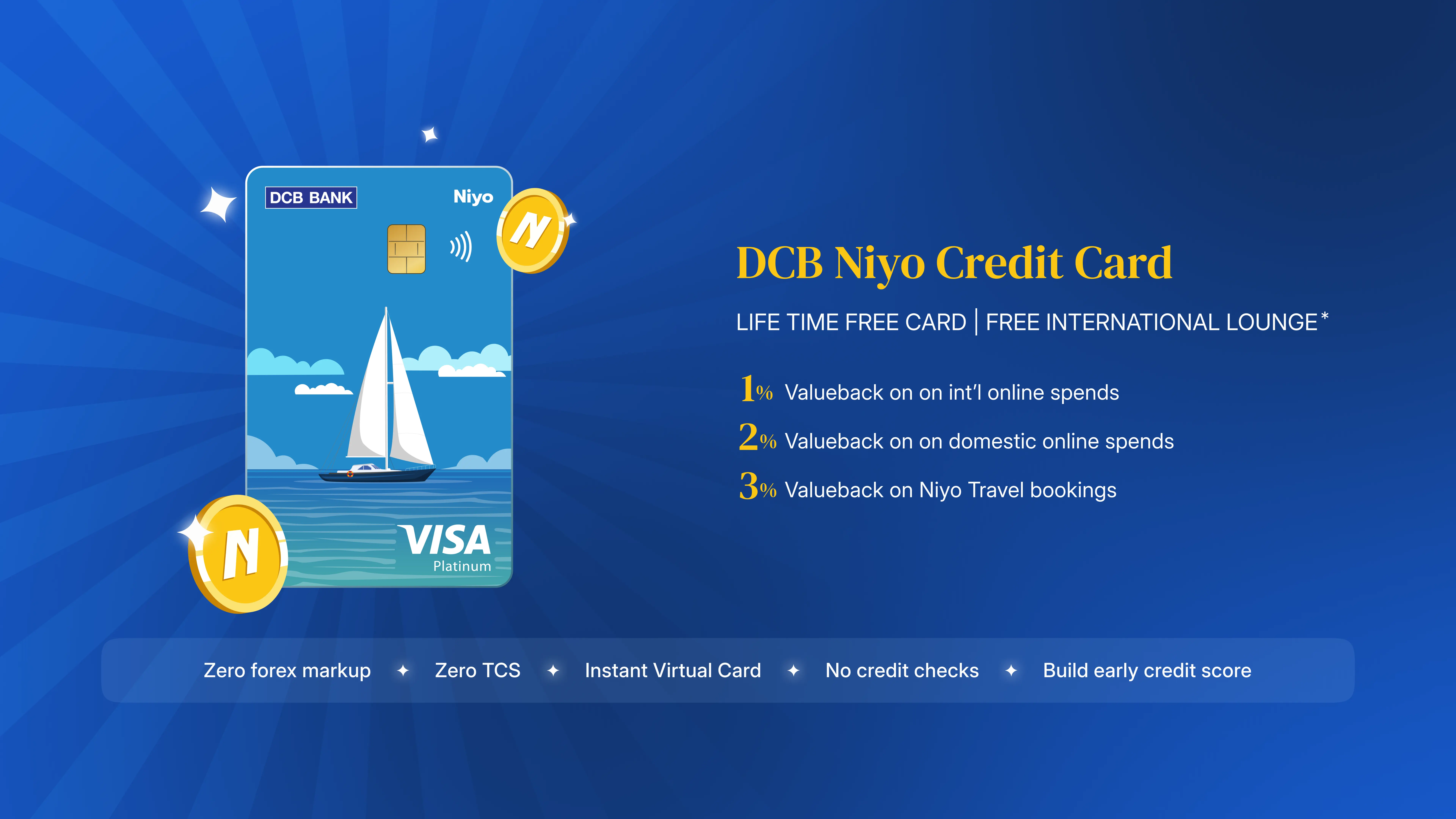
Take Niyo’s zero forex markup cards, for instance. They are accepted in over 180 countries and come with real-time spending alerts and round-the-clock customer support, making them a solid choice for frequent travellers.
Low foreign transaction fee credit/debit cards
While a forex card might be your primary choice, having a backup credit or debit card with low international fees is always a smart move. Many standard Indian cards impose up to 5% fee on foreign transactions, along with hidden currency conversion charges.
Features like real-time spending alerts can be a lifesaver when travelling, enabling you to spot unauthorised transactions right away. Transparent fee structures and detailed transaction summaries also help you keep track of your expenses and compare costs across different payment methods. A combination of a primary travel card and a low-fee backup card can create a robust payment strategy for your trip.
Backup payment options
Diversifying your payment methods is just as important as choosing the right cards. Situations like network outages, limited ATM availability, or a blocked primary card due to unusual spending patterns can disrupt your plans. To prepare for such scenarios, carry an extra card from a different network - say, a Mastercard if your main card is Visa.
While digital payments are becoming more common, it’s wise to keep a small cash reserve for emergencies. Carry ₹5,000–₹10,000 in cash to cover unexpected expenses, and ensure you have some Indian rupees for costs upon your return. Lastly, keep your card issuer’s emergency contact details handy, including general helpline numbers and those specifically for lost or stolen cards. This ensures you’re ready to handle any payment hiccups that might come your way.
Required travel documents
Preparing the right documents ahead of your trip can save you from unnecessary stress and even prevent entry denials. Just like having the right payment cards makes transactions easier, proper travel documentation ensures a smoother journey. Immigration officers are thorough, and even a single missing document can throw your plans off track. To avoid such issues, keep both physical and digital copies of your documents handy. While a passport and visa are essential, there are several other documents that can be equally important for a trouble-free experience.
Passport and visa
Your passport is your most important travel document, but having one isn’t enough. Make sure your passport is valid for at least six months beyond your intended return date, as many countries enforce this rule strictly. Even for short trips, a passport nearing expiry - say, within four months - might not be accepted at international borders.
Visa requirements depend on your nationality and destination. Always check with the consulate of your destination country to understand the visa or e-authorisation process well in advance. While some countries allow visa-on-arrival, it’s not always guaranteed - having the necessary documentation beforehand is a safer bet.
For example, Indian passport holders may enjoy visa-on-arrival privileges in countries like Thailand, but visiting the USA often requires a visa application submitted weeks in advance. Since visa policies are subject to change, staying updated on the latest requirements is crucial. This basic preparation ensures smoother border crossings and complements other necessary travel documents.
Government-issued IDs
It’s a good idea to carry additional identification documents during your travels. Your Aadhaar card, PAN card, or driving licence can act as backup IDs in case of emergencies, such as losing your passport. These documents may also be needed for domestic flights within India.
Keep digital copies of these IDs stored securely for quick access. While they don’t replace your passport, they serve as a reliable backup to verify your identity when needed.
Travel insurance
Travel insurance is more than just a formality - it’s a safety net against unexpected expenses, especially in countries where healthcare can be costly.
Choose a policy that covers medical emergencies, trip cancellations, baggage loss, and even emergency evacuations. Some countries may require proof of insurance as part of their visa application process. Ensure the policy clearly states the coverage amounts and validity dates that align with your travel period.
Pay close attention to the fine print, particularly exclusions related to pre-existing medical conditions, adventure sports, or high-risk activities. For instance, activities like scuba diving or mountain climbing may not be covered unless specified in the policy.
Flight tickets and accommodation confirmations
Immigration authorities often ask for proof of onward travel and accommodation. Keep your booking confirmations easily accessible - both digitally and in your carry-on bag.
Flight confirmations should include details like PNR numbers, seat assignments, and baggage allowances. For accommodation, ensure you have reservation details with reference numbers, check-in/check-out dates, and contact information for the hotel or property.
If you’re staying with friends or family, carrying an invitation letter with their address and contact details can help verify your arrangements. These documents strengthen your overall travel documentation and make entry processes smoother.
Health certificates and entry permits
Certain destinations require specific health certifications. For instance, yellow fever vaccination certificates are mandatory for travellers heading to many African and South American countries. Remember, the vaccine must be administered at least 10 days before travel.
COVID-19 protocols may still apply in some places. Check your destination’s current health requirements, which may include testing, vaccination certificates, or health declaration forms.
Store these health documents in a waterproof folder and keep digital backups as well. Since they may need to be presented multiple times during your journey, having them readily available is essential.
Zero forex markup cards and cash for your international travel
Get zero forex markup Niyo Card, seamless travel services, and smart tools for hassle-free global experiences. Trusted by over 1 million travellers.
Get Your Niyo CardOrganising and storing travel items
Having your travel cards and documents in hand is just the beginning. The real challenge lies in organising them in a way that ensures quick access and security, especially during critical moments like immigration checks or boarding. A well-thought-out system can save you from unnecessary stress and delays. Let’s explore some effective strategies for digital storage, physical organisation, and backups to keep your travel essentials safe and accessible.
Digital storage solutions
Storing digital copies of your important travel documents in the cloud is a smart way to ensure you have access to them anytime, anywhere. Platforms like Google Drive, iCloud, and Dropbox allow you to upload high-quality scans of your passport, visa, travel insurance, and other key documents. These services sync across devices, so whether you’re using your smartphone, tablet, or laptop, your files are just a few clicks away - even if you’re in a different time zone.
For Indian travellers, DigiLocker is an excellent option. This government-endorsed platform securely stores official documents like your Aadhaar card, PAN card, and driving licence. These digital versions are legally valid and widely accepted across India, making them especially handy for domestic travel.
To stay organised, create a dedicated folder for travel documents with clearly labelled files (e.g., Passport_2025, Travel_Insurance_Policy). Use strong passwords and enable two-factor authentication for added security. Many cloud services also allow offline access through their apps, so you can retrieve your documents even without an internet connection.
Physical organisation tips
A travel wallet or document organiser is a lifesaver when it comes to keeping your physical items in order. Look for one with multiple compartments to neatly store your passport, boarding passes, credit cards, and cash. This setup prevents items from getting mixed up or damaged.
For added security, opt for an RFID-blocking wallet to protect your contactless payment cards from electronic theft. Bonus points if the wallet includes a zippered section for coins and small items, along with a clear pocket for documents you need to access frequently, like your boarding pass.
When travelling through crowded areas, consider using a neck pouch or money belt for high-value items like your passport and primary credit card. Keep a small amount of local currency and a backup card in your regular wallet for daily expenses. This way, even if your wallet is misplaced, your essentials remain secure and close to you.
Backup copies of documents
Always have backups of your important documents. Scan them at 300 DPI and save the files as PDFs. Store these on a USB drive that you keep separate from your luggage. Additionally, email copies to a trusted friend or family member for an extra layer of security. Carry photocopies in a different bag, and if you’re travelling with a companion, exchange backups with each other.
For extra caution, photograph both sides of your cards (covering the CVV) and save them in a password-protected album on your phone. Remember to delete these images once your trip is over. It’s also wise to jot down important phone numbers - like your bank’s international helpline, travel insurance contact, and your destination country’s embassy - on paper. Keep this list in a separate location from your devices. When technology fails, these written numbers can be a lifesaver.
Ensuring compliance and security
When your travel documents and essentials are ready, it’s equally important to focus on compliance and security measures to ensure your trip goes smoothly. Since rules can change frequently, always check the latest updates on official websites before you leave.
Entry requirements and regulations
Visa rules can shift unexpectedly, so it’s best to consult the official embassy or consulate website for your destination well ahead of time. If your trip requires any online travel authorisations, make sure to complete them before departure.
Health and safety regulations also differ across countries. Some destinations may require vaccination certificates or health declarations, so it’s crucial to review the latest health guidelines. Additionally, certain countries might ask for proof of sufficient funds or onward travel plans. Keep digital copies of your bank statements and return flight tickets handy to meet these requirements without hassle.
Once you’ve sorted out entry requirements, it’s time to focus on securing your financial transactions.
Secure financial transactions
Protecting your finances while travelling is critical. Modern travel cards can help by offering real-time notifications for every transaction, alerting you to any unauthorised activity immediately. For instance, Niyo’s zero forex markup cards provide instant spending alerts and detailed transaction records, making it easier to track your expenses on the go.
Before your trip, set daily spending and withdrawal limits through your bank’s mobile app. Informing your bank about your travel plans can also prevent service disruptions.
Where possible, use contactless payments, as tokenisation safeguards your card details. Always cover your PIN when entering it and exercise caution when using ATMs, especially in crowded tourist areas.
Avoid Dynamic Currency Conversion (DCC) at all costs - always choose to pay in the local currency to steer clear of unnecessary fees.
Once your financial safety is covered, have a plan for handling the unexpected, like losing your card or documents.
Lost card or document protocols
Prepare an emergency contact list that includes your bank’s helpline, travel insurance provider, and the nearest Indian embassy or consulate. Many providers, such as Niyo, offer 24/7 customer support for card-related emergencies, ensuring help is just a call away.
If your card is lost or stolen, block it immediately using your bank’s mobile app and contact your international helpline. Filing a police report may also be necessary if you need to make an insurance claim.
In case of a lost passport, contact the nearest Indian embassy or consulate as soon as possible. They can issue an emergency travel document, and having digital copies of your passport stored securely can significantly speed up the process.
It’s wise to carry some emergency cash and a backup card, stored separately from your primary wallet. If you experience financial losses, notify your travel insurance provider promptly and keep receipts for any emergency expenses. These could be eligible for reimbursement under your policy.
Conclusion
Travelling internationally becomes much easier when you carry the right cards and documents. These essentials not only help you avoid unnecessary hassles but also save you from unexpected fees while you’re abroad.
Keeping both digital and physical copies of your important documents securely organised is a smart move. Whether it’s meeting entry requirements, making safe transactions, or dealing with emergencies, being well-prepared can make all the difference.
Travel cards, in particular, simplify foreign spending and offer added layers of security. They change the way you handle your finances while abroad, ensuring a smoother experience from the moment you start planning until you return home.
Finally, compliance and security aren’t just things to check off a list - they’re your safety net. Having emergency contacts, understanding local rules, and knowing what to do in case of lost documents or cards can turn potential crises into manageable inconveniences.
While you are at it, don’t forget to get yourself a zero forex markup card from Niyo!
Download Niyo AppFrequently Asked Questions
When choosing between a forex card and a credit or debit card with low foreign transaction fees for international travel, it’s all about understanding your spending habits and what works best for you.
Forex cards are tailored for use abroad, offering fixed exchange rates, low or no transaction fees, and better control over your travel budget. They’re especially handy for frequent transactions and ATM withdrawals, making them a practical choice for travellers who want to avoid fluctuating rates or surprise charges.
On the flip side, credit or debit cards with low foreign transaction fees are super convenient for everyday spending. Many of these cards also offer perks like rewards or cashback. However, they typically come with a foreign transaction fee ranging from 1% to 3%, and ATM withdrawals often incur additional costs.
Ultimately, your decision should factor in the fee structure, your spending patterns, and whether you value the predictability of fixed exchange rates or the ease of direct access to your account. Forex cards are great for frequent travellers, while credit or debit cards might suit those taking occasional trips or handling smaller expenses abroad.
To keep your travel documents safe and easy to access, consider using a travel pouch or organiser with multiple compartments. Look for one that offers RFID protection and is waterproof to safeguard against theft and accidental damage. Place essential physical documents like your passport, visa, and ID proofs in this pouch, and store it in a secure yet convenient spot, such as a zipped pocket in your bag.
On top of that, it’s smart to digitise your key documents. Scan or take clear photos of them and save these copies in an encrypted cloud storage or on a device that’s password-protected. Also, carry a set of physical photocopies as a backup, but keep them separate from the originals. This way, you’ll be well-prepared for any unexpected hiccups during your travels.
If you misplace your passport while travelling abroad, your first step should be to contact the nearest embassy or consulate. They can guide you through reporting the loss and help you apply for an emergency travel document or a replacement passport. In some cases, a police report might be required, so check with local authorities and file one if necessary. Having a photocopy or a digital version of your passport can make this process smoother.
For a lost travel card, immediately inform your bank or card issuer to block the card and stop any unauthorised transactions. Many banks offer services to courier a replacement card to your current location. To manage expenses in the meantime, it’s wise to have backup options, such as a second card or some cash on hand.
To minimise stress during such situations, keep secure copies of your important documents and save emergency contact numbers for your bank and embassy. Acting promptly can help you stay on track with your travel plans.